Online casino entertainment isn’t one single experience. It’s a set of formats that ask for different kinds of attention and offer different levels of control. Instant games tend to compress everything into a short loop. Slots build rhythm through spins, animations, and small decision points. Live tables add pacing, social pressure, and a slower cadence shaped by a dealer and other players. For readers on ekadashitithi.com who land on gaming and tech-style updates, the most practical question isn’t which format looks flashy. It’s the format that matches the way time is actually used, how quickly decisions are made, and how easy it is to pause without feeling pulled back in. A better match usually comes from understanding tempo, friction, and how much “thinking time” a format gives before the next action.
The attention-control triangle behind every format
Three levers shape the experience across instant games, slots, and live tables – pace, decision density, and exit ease. Pace is the speed of a full round from input to result. Decision density is how many meaningful choices appear within that round. Exit ease is how cleanly a session can stop without extra pressure or waiting. Instant games usually score high on pace and exit ease, with low decision density. Slots often sit in the middle, with medium pace and low-to-medium decision density depending on features. Live tables usually slow the pace down, raise decision density, and make exit timing more socially visible.
This matters because attention is a limited resource. A format that suits a long evening can be a poor fit for a short break. A format that feels calm can still create drift if it keeps presenting “one more round” moments. Control improves when the format’s natural tempo lines up with the time window and the amount of focus available.
Instant games – short loops, quick clarity, easy stopping points
To see what makes the category distinct, play instant games with the mindset of timing the full cycle from tap to outcome and noticing how few steps sit between start and result. Instant games are built around speed and simplicity. The draw is the short loop – minimal setup, minimal waiting, fast feedback. This structure can be appealing when attention is fragmented, like during commutes, between tasks, or while multitasking, recognizing that fast loops still deserve deliberate boundaries.
Even without leaning on brand claims, the “instant games” service model is easy to describe because the category itself has recognizable traits. It usually groups fast-play titles that aim for immediate outcomes, clear round structure, and low setup friction. That’s the advantage for an audience that reads quick updates and prefers direct experiences. The main tradeoff is that speed can blur into autopilot. That’s where control habits matter – setting a time limit, taking a break after a few rounds, and treating the format as a short activity rather than an open-ended session.
Slots – rhythm, variety, and the pull of repeated micro-decisions
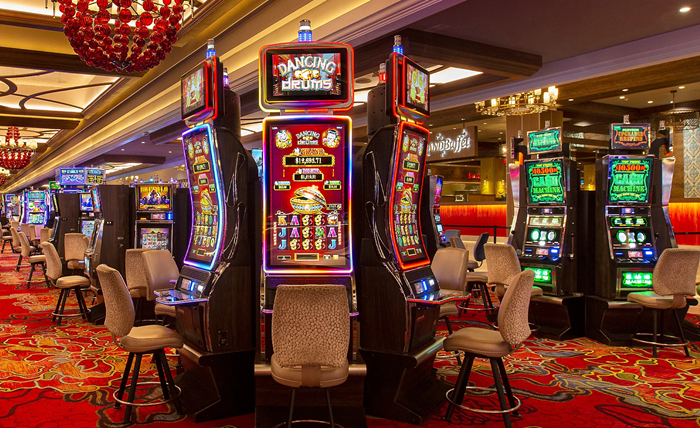
Slots sit in a different psychological lane. The core action is simple, but the experience is designed around rhythm – spin, reveal, animation, reward cue, repeat. Even in contemporary slot machine design, new layers such as bonus rounds and feature triggers may also be present, raising the level of engagement despite the basic act remaining the same—a mere click! For gamers who enjoy variety, slots may seem to be an endless stream of themes and gameplay instead of repetitive motion.
Control in slots often comes down to managing tempo. A faster spin speed can intensify repetition, while a slower pace can keep the experience more intentional. Attention span plays a role here. Longer sessions tend to happen when the interface keeps introducing small novelty. That novelty can be fun, yet it also makes it easier to lose track of elapsed time. A good fit usually looks like this – slots work best when there’s enough time to enjoy the theme and features, and when stopping after a set number of spins feels natural rather than interrupted.
Live tables – slower pace, higher thinking load, stronger social gravity
Live tables introduce two things that instant games and slots cannot fully replicate – human pacing and social context. The dealer and the table rhythm create natural waiting periods. Those pauses can be helpful for control because they break the rapid loop. At the same time, the format asks for more attention. Even simple table games can carry a higher thinking load, especially when bet sizing, side bets, or etiquette come into play.
This format often fits players who prefer a deliberate cadence and want the experience to feel closer to a traditional table environment. It can also suit people who value structure, since a live round has a clear flow. The flip side is that exit timing can feel more “public” within the session. Some players enjoy that social gravity. Others prefer formats where stepping away feels invisible and immediate.
A practical way to pick a format that matches real life
Choosing the right format is easier when the decision starts with routine, not hype. The goal is alignment – matching the format’s natural tempo to the way time and focus are actually available. A quick self-check can make the choice clearer without overthinking it:
- Time window – under 10 minutes, 10 to 30, or a longer open block.
- Focus level – light attention versus full attention with fewer distractions.
- Stop comfort – preference for clean exits versus sessions that drift.
- Decision appetite – low-choice entertainment versus strategy and pacing.
- Mood target – quick stimulation, steady rhythm, or a slower social table feel.
This framework tends to point toward instant games for short breaks, slots for theme-driven rhythm, and live tables for slower pacing with more mental involvement. None is “better.” The fit comes from matching the format to the moment.
A smarter session starts before the first tap
Attention span and control aren’t abstract ideas. They show up in how fast the next action appears, how easy it is to pause, and how much thinking a round demands. Instant games compress the experience into fast, clear loops. Slots build momentum through rhythm and variety. Live tables trade speed for structure and social presence. The obvious course of action for the next step is to basically choose a particular format for a specific window of time, tackle that particular window as if it were a standalone session, and finish the task within that window. This simple approach will likely get the desired job done for the sake of enjoyment more than the attempts to engage the particular format that seems the loudest for a particular day.