Introduction
Hindi Barakhadi is one of the most important foundations of learning the Hindi language. Every beginner who wants to read, write, and speak Hindi correctly must first understand Hindi Barakhadi. It helps learners recognize how Hindi consonants combine with vowels to create different sounds and words. Without Hindi Barakhadi, it becomes difficult to pronounce Hindi words accurately or improve reading fluency.
Hindi Barakhadi is commonly taught in schools, language institutes, and homes because it builds a strong base for Hindi grammar and pronunciation. Children usually start learning Hindi Barakhadi at an early age because it helps them form words quickly and confidently. Adults learning Hindi as a second language also benefit greatly from understanding Hindi Barakhadi.
The structure of Hindi Barakhadi is simple once learners understand the Hindi vowels and consonants. Each consonant changes its sound when combined with different vowel signs. This combination system forms the complete Hindi Barakhadi chart. By practicing Hindi Barakhadi daily, learners can improve reading speed, pronunciation, vocabulary, and writing skills.
Another reason Hindi Barakhadi is important is that it improves spelling accuracy. Many Hindi words look similar but have different vowel sounds. Learning Hindi Barakhadi helps students identify these differences correctly. Whether someone wants to read Hindi books, newspapers, stories, or poems, mastering Hindi Barakhadi is essential.
In this detailed guide, you will learn everything about Hindi Barakhadi, including its meaning, structure, benefits, charts, pronunciation methods, practice tips, and common mistakes. This complete article is designed for beginners, students, parents, and teachers who want to understand Hindi Barakhadi in the easiest way possible.
What Is Hindi Barakhadi?
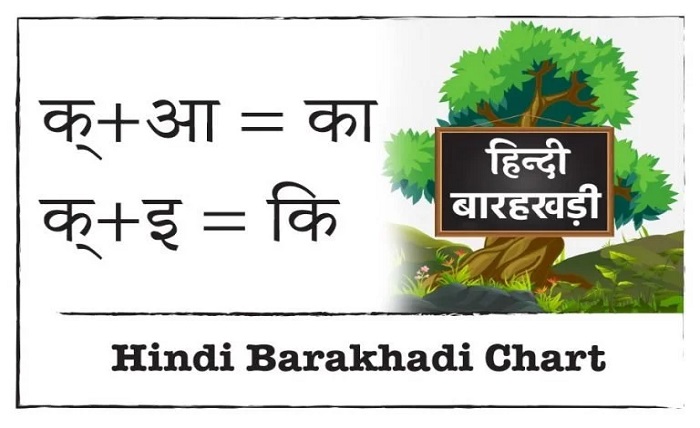
Hindi Barakhadi is a combination system of Hindi consonants and vowels. In the Hindi language, vowels are called “Swar,” and consonants are called “Vyanjan.” When a consonant joins with different vowels, it creates multiple sound variations. These variations together form Hindi Barakhadi.
For example, the consonant “क” changes when different vowels are added:
- क
- का
- कि
- की
- कु
- कू
- के
- कै
- को
- कौ
- कं
- कः
This sequence is known as Hindi Barakhadi for the consonant “क.” Every consonant in Hindi follows a similar pattern. Therefore, learning Hindi Barakhadi means understanding how consonants transform with vowel signs.
Hindi Barakhadi is not just about memorization. It also teaches pronunciation, sound recognition, and reading fluency. Once students understand Hindi Barakhadi, they can easily decode Hindi words and sentences.
Hindi Barakhadi is widely used in Hindi education because it simplifies language learning. Students can quickly identify patterns in words after practicing Hindi Barakhadi regularly. Teachers often use songs, charts, games, and writing exercises to make Hindi Barakhadi easier and more interesting.
One of the best things about Hindi Barakhadi is that it improves listening and speaking abilities. Since every vowel changes the pronunciation of a consonant, learners become more aware of sound differences. This awareness is extremely useful in daily communication.
Hindi Barakhadi is also useful for competitive exams and academic learning. Many school entrance tests and Hindi language exams include questions related to Hindi Barakhadi. Therefore, students who master Hindi Barakhadi gain confidence in reading and writing Hindi correctly.
Importance of Hindi Barakhadi in Language Learning
Hindi Barakhadi plays a major role in building a strong foundation in the Hindi language. It acts as the bridge between basic alphabet learning and advanced reading skills. Without understanding Hindi Barakhadi, learners often struggle with pronunciation, spelling, and sentence reading.
One of the biggest advantages of Hindi Barakhadi is improved pronunciation. Every vowel sign changes the sound of a consonant. By practicing Hindi Barakhadi regularly, learners understand how words should sound. This helps in speaking Hindi more naturally and confidently.
Hindi Barakhadi also improves reading fluency. When students recognize consonant-vowel combinations quickly, they can read words faster without hesitation. This makes Hindi books, stories, and newspapers easier to understand.
Another important benefit of Hindi Barakhadi is vocabulary development. As learners become familiar with different combinations, they can identify more words and remember them easily. Hindi Barakhadi helps students connect sounds with written symbols, making vocabulary learning more effective.
Writing skills also improve through Hindi Barakhadi practice. Students learn how to use vowel signs correctly while writing Hindi words. This reduces spelling mistakes and improves handwriting accuracy. Teachers often encourage children to write Hindi Barakhadi repeatedly for better memory retention.
Hindi Barakhadi is equally important for listening skills. When learners hear Hindi words, they can recognize vowel sounds more accurately because of their Hindi Barakhadi knowledge. This improves comprehension during conversations, movies, songs, and classroom learning.
Parents and teachers consider Hindi Barakhadi an essential learning tool because it develops overall language confidence. Students who practice Hindi Barakhadi daily usually perform better in Hindi reading, dictation, grammar, and speaking activities.
In modern education, Hindi Barakhadi is also taught using digital tools, mobile apps, animated videos, and interactive games. These methods make Hindi Barakhadi learning more engaging for children and beginners.
Hindi Barakhadi Chart and Structure
Understanding the Hindi Barakhadi chart is essential for mastering Hindi pronunciation and reading. The chart is created by combining one consonant with all Hindi vowel signs. Each consonant follows a fixed pattern in Hindi Barakhadi.
Here is an example of Hindi Barakhadi using the consonant “क”:
| Vowel | Hindi Barakhadi |
|---|---|
| अ | क |
| आ | का |
| इ | कि |
| ई | की |
| उ | कु |
| ऊ | कू |
| ऋ | कृ |
| ए | के |
| ऐ | कै |
| ओ | को |
| औ | कौ |
| अं | कं |
| अः | कः |
This Hindi Barakhadi pattern repeats for every consonant such as:
- ग → गा, गि, गी, गु, गू
- च → चा, चि, ची, चु, चू
- त → ता, ति, ती, तु, तू
- प → पा, पि, पी, पु, पू
The Hindi Barakhadi chart helps learners identify vowel symbols quickly. Each vowel sign changes the pronunciation of the consonant differently. By repeating these patterns, students memorize Hindi Barakhadi naturally.
Many schools display Hindi Barakhadi charts in classrooms because visual learning helps children remember combinations faster. Printable Hindi Barakhadi charts are also available for home practice.
A structured Hindi Barakhadi chart is helpful because learners can compare vowel patterns across different consonants. This pattern recognition reduces confusion and speeds up learning.
Hindi Barakhadi charts are especially useful for beginners because they organize information clearly. Students can practice reading row by row and eventually memorize the entire Hindi Barakhadi system.
Teachers often recommend writing Hindi Barakhadi charts daily for handwriting improvement. Repetition helps learners remember both pronunciation and spelling.
Easy Methods to Learn Hindi Barakhadi
Learning Hindi Barakhadi becomes simple when students use the right methods and practice techniques. Many learners initially find Hindi Barakhadi difficult because of multiple vowel combinations, but consistent practice makes the process much easier.
One of the best ways to learn Hindi Barakhadi is through repetition. Repeating each consonant-vowel combination aloud helps students memorize pronunciation patterns. Daily reading and writing practice strengthen Hindi Barakhadi recognition.
Using Hindi Barakhadi charts is another effective learning method. Visual charts allow students to see patterns clearly. When learners repeatedly observe and read Hindi Barakhadi charts, they begin to remember combinations naturally.
Listening exercises also improve Hindi Barakhadi learning. Educational videos, Hindi rhymes, and pronunciation recordings help students recognize sound differences between vowels. This improves both listening and speaking skills.
Flashcards are useful for Hindi Barakhadi practice as well. Parents and teachers can create flashcards with consonant-vowel combinations and ask students to identify them quickly. This activity makes Hindi Barakhadi learning interactive and enjoyable.
Writing exercises are extremely important in Hindi Barakhadi practice. Students should write each Hindi Barakhadi combination multiple times while pronouncing it aloud. This strengthens memory and handwriting skills simultaneously.
Games and quizzes can make Hindi Barakhadi more engaging for children. Many educational apps include matching games, pronunciation tests, and interactive charts that help students learn Hindi Barakhadi in a fun way.
Another useful strategy is grouping similar sounds together. For example, learners can practice all “इ” and “ई” combinations separately. This focused approach helps students understand vowel differences more clearly in Hindi Barakhadi.
Teachers often suggest reading small Hindi words after learning Hindi Barakhadi combinations. This allows students to apply their knowledge practically. As confidence grows, learners can gradually move to sentences and paragraphs.
Consistency is the key to mastering Hindi Barakhadi. Even 15 to 20 minutes of daily practice can lead to significant improvement over time.
Common Mistakes While Learning Hindi Barakhadi
Many beginners make common mistakes while learning Hindi Barakhadi. Identifying these mistakes early can help students improve their learning process and avoid confusion.
One common mistake in Hindi Barakhadi is incorrect pronunciation. Learners often confuse similar vowel sounds such as “इ” and “ई” or “उ” and “ऊ.” Regular listening practice can help students pronounce Hindi Barakhadi combinations correctly.
Another mistake is memorizing Hindi Barakhadi without understanding patterns. Some students try to learn combinations randomly instead of following the structured chart system. Understanding patterns makes Hindi Barakhadi easier and more logical.
Skipping writing practice is another major issue. Many learners only read Hindi Barakhadi but do not write it regularly. Writing helps reinforce memory and improves recognition speed.
Students also confuse vowel signs while reading Hindi Barakhadi words. For example, they may incorrectly identify “कि” as “की.” Careful observation and repeated reading practice reduce these errors.
Inconsistent practice is another challenge in Hindi Barakhadi learning. Students who practice occasionally often forget combinations quickly. Daily revision is essential for long-term memory.
Some learners become discouraged when they cannot memorize Hindi Barakhadi immediately. However, mastering Hindi Barakhadi takes time and patience. Gradual improvement is normal.
Ignoring pronunciation while writing is another mistake. Students should always pronounce Hindi Barakhadi combinations aloud while practicing. This improves sound recognition and fluency.
Teachers and parents should correct Hindi Barakhadi mistakes gently and encourage regular revision. Positive reinforcement helps learners stay motivated and confident.
Using outdated or unclear charts can also create confusion. Students should use properly structured Hindi Barakhadi charts with accurate vowel signs.
Avoiding these common mistakes can make Hindi Barakhadi learning faster, smoother, and more enjoyable.
Benefits of Mastering Hindi Barakhadi
Mastering Hindi Barakhadi offers numerous educational and communication benefits. Since Hindi Barakhadi forms the foundation of Hindi reading and writing, strong knowledge of it improves overall language proficiency.
One major benefit of Hindi Barakhadi is better pronunciation. Students who understand Hindi Barakhadi can speak Hindi words more accurately and confidently. This improves communication skills in daily conversations.
Hindi Barakhadi also enhances reading speed. Learners can recognize consonant-vowel combinations quickly, allowing them to read stories, textbooks, and newspapers fluently.
Another important benefit of Hindi Barakhadi is spelling accuracy. Students who practice Hindi Barakhadi regularly make fewer spelling mistakes because they understand vowel placements correctly.
Writing confidence also improves with Hindi Barakhadi mastery. Learners become comfortable forming words and sentences using proper vowel signs. This helps in school assignments, exams, and creative writing.
Hindi Barakhadi strengthens listening comprehension as well. Students can identify spoken vowel sounds more effectively, improving understanding during conversations and classroom learning.
Academic performance improves significantly when students master Hindi Barakhadi. Reading comprehension, dictation, grammar, and vocabulary activities become easier.
Hindi Barakhadi also supports multilingual learning. Since Hindi uses the Devanagari script, learners who understand Hindi Barakhadi may find it easier to learn related languages such as Marathi and Nepali.
Confidence is another important advantage of Hindi Barakhadi learning. Students feel more comfortable participating in reading competitions, speeches, and classroom discussions.
In today’s digital age, Hindi Barakhadi knowledge is useful for typing Hindi, reading online content, and using educational applications. Therefore, mastering Hindi Barakhadi is valuable both academically and practically.
Practice Activities for Hindi Barakhadi
Regular practice activities are essential for mastering Hindi Barakhadi. Engaging exercises help students improve pronunciation, memory, reading fluency, and writing skills.
One effective Hindi Barakhadi activity is loud reading practice. Students should read Hindi Barakhadi combinations aloud every day. This improves pronunciation and confidence.
Writing practice is another important Hindi Barakhadi exercise. Learners can choose one consonant daily and write all its vowel combinations repeatedly. This strengthens memory retention.
Flashcard activities are very useful for Hindi Barakhadi revision. Parents or teachers can show flashcards randomly and ask students to identify combinations quickly.
Matching games also make Hindi Barakhadi learning enjoyable. Students can match consonants with correct vowel signs to form proper combinations.
Dictation exercises are excellent for testing Hindi Barakhadi understanding. Teachers can pronounce combinations while students write them down. This improves listening and spelling accuracy.
Hindi Barakhadi songs and rhymes are popular among young children. Musical learning methods make pronunciation easier and help students memorize combinations naturally.
Reading simple Hindi words is another useful practice method. Once learners know basic Hindi Barakhadi combinations, they should start reading short words and sentences.
Digital learning apps also provide interactive Hindi Barakhadi exercises. Animated charts, quizzes, and games make learning more engaging and less stressful.
Group activities can make Hindi Barakhadi practice more exciting in classrooms. Students can participate in pronunciation competitions, memory games, and reading races.
Parents should encourage consistent Hindi Barakhadi practice at home. Short daily sessions are often more effective than long, irregular study periods.
With regular activities and repetition, students gradually become fluent in reading and writing Hindi Barakhadi combinations.
Advanced Tips to Become Fluent in Hindi Barakhadi
Once learners understand the basics, they can use advanced techniques to become fluent in Hindi Barakhadi. These methods improve speed, pronunciation, and long-term memory.
One advanced Hindi Barakhadi tip is pattern recognition. Instead of memorizing every combination separately, learners should focus on identifying repeated vowel patterns across consonants.
Reading Hindi storybooks is another effective strategy for improving Hindi Barakhadi fluency. Exposure to real words strengthens recognition and comprehension skills.
Students should also practice timed reading exercises. Reading Hindi Barakhadi combinations quickly improves fluency and confidence.
Recording pronunciation can help learners identify mistakes in Hindi Barakhadi speaking practice. Listening to recordings allows students to compare their pronunciation with correct sounds.
Another useful Hindi Barakhadi technique is word formation practice. Learners should combine multiple Hindi Barakhadi syllables to create meaningful words.
Daily revision is extremely important for long-term Hindi Barakhadi retention. Even advanced learners benefit from reviewing charts regularly.
Using Hindi subtitles while watching movies or educational videos can strengthen Hindi Barakhadi recognition. Visual and audio learning together improve understanding.
Teachers often encourage learners to teach Hindi Barakhadi to others. Teaching reinforces memory and builds confidence.
Practicing handwriting styles also helps students become more comfortable with Hindi Barakhadi writing. Neat writing improves recognition and presentation.
Advanced learners can challenge themselves by reading poems, essays, and newspapers aloud. This improves pronunciation, vocabulary, and fluency simultaneously.
With patience and consistent effort, learners can become highly confident in Hindi Barakhadi reading, writing, and pronunciation.
Conclusion
Hindi Barakhadi is the foundation of Hindi language learning and an essential tool for reading, writing, and pronunciation. Students who master Hindi Barakhadi gain confidence in communication, spelling, listening, and vocabulary development. From beginners to advanced learners, everyone benefits from regular Hindi Barakhadi practice.
Understanding Hindi Barakhadi patterns makes learning Hindi easier and more enjoyable. Through charts, writing exercises, reading activities, games, and pronunciation practice, learners can gradually improve their skills. Consistency and patience are the keys to mastering Hindi Barakhadi successfully.
Whether you are a student, parent, teacher, or language learner, investing time in Hindi Barakhadi practice will create a strong language foundation. With daily revision and interactive learning methods, anyone can become fluent in Hindi Barakhadi and enjoy the beauty of the Hindi language.
FAQs
1. What is Hindi Barakhadi?
Hindi Barakhadi is a system of combining Hindi consonants with vowels to create different sound patterns used in reading and writing Hindi.
2. Why is Hindi Barakhadi important?
Hindi Barakhadi is important because it improves pronunciation, reading fluency, spelling accuracy, vocabulary, and writing skills.
3. How can children learn Hindi Barakhadi easily?
Children can learn Hindi Barakhadi easily through charts, songs, games, flashcards, writing exercises, and daily reading practice.
4. How much time does it take to master Hindi Barakhadi?
The time required to master Hindi Barakhadi depends on practice consistency, but regular daily practice can show improvement within a few weeks.
5. Can adults learn Hindi Barakhadi?
Yes, adults can learn Hindi Barakhadi successfully through structured practice, pronunciation exercises, and reading activities.