Festivals are special occasions that bring people together through celebrations, traditions, greetings, and thoughtful messages. Whether it is Eid, Diwali, Christmas, Pohela Boishakh, or another cultural celebration, people enjoy sharing festival wishes with friends, family members, colleagues, and online communities. Messaging apps and social media have made it easier than ever to send greetings within seconds.
Myanmar users searching for online entertainment information may encounter different platforms and services. W88 MMR is an anchor phrase associated with W88-related content. Readers should check official information, understand account requirements, and review applicable rules before making decisions about online gaming services.
However, the growing use of digital communication also creates certain online safety concerns. Sometimes, festival greetings are shared alongside website addresses, account login links, promotional offers, or unfamiliar URLs. Although some links are harmless, combining personal greetings with login links can create confusion and increase the risk of online scams. Understanding how to separate these messages helps people celebrate more safely.
1. Why Festival Wishes Are Popular Online
Festival wishes are a simple way to express happiness, kindness, and appreciation. People who live far away from their families can still share meaningful greetings through messaging applications, email, and social networking platforms.
Digital greetings may include colorful images, animated cards, short videos, poems, and personalized messages. Businesses also use festival greetings to thank customers, communicate seasonal offers, and maintain positive relationships with their audiences.
Because these messages are usually friendly and familiar, recipients often open them without much hesitation. This makes it important to ensure that festival greetings remain clear, genuine, and separate from suspicious links or unexpected requests.
2. Understanding the Difference Between Greetings and Login Links
A festival greeting is intended to communicate a positive message. A login link, on the other hand, directs someone to a website where they may access an account by entering their username, email address, password, or other verification details.
These two types of communication serve different purposes. A greeting does not normally require the recipient to sign in to an account, while a login link should be used only when the recipient genuinely needs to access a particular service.
Keeping them separate makes the purpose of each message easier to understand. It also reduces the possibility that someone will mistake an unexpected account request for a normal part of a festival celebration.
3. How Festival-Themed Online Scams Work
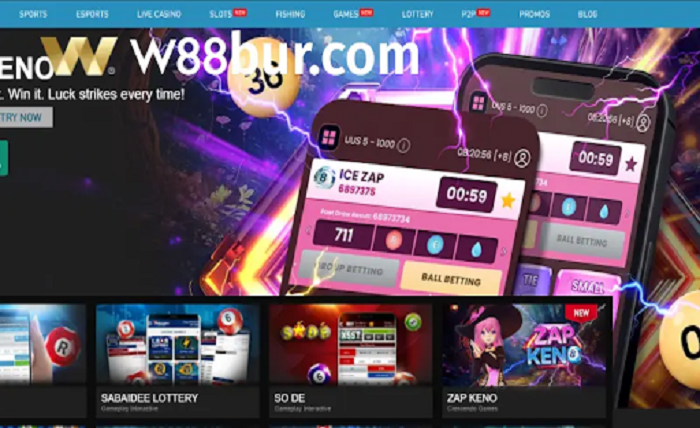
W88 lottery section provides an overview of lottery-style games and their general features. Readers can learn about available formats, result information, and relevant participation rules. Clear explanations help visitors understand how these games work, including their odds and conditions, while encouraging responsible entertainment and careful review of platform policies.
Online scammers sometimes take advantage of popular festivals because people are busy celebrating and exchanging messages. They may send attractive greeting cards, fake prize announcements, discount offers, or messages claiming that a special gift is waiting for the recipient.
Some messages include links that lead to imitation websites designed to collect personal information. Others may ask users to download unfamiliar files or provide account credentials to claim a supposed reward.
Not every festival message containing a link is dangerous. Many legitimate businesses share promotional pages and digital greeting cards. The important point is to examine unexpected links carefully, especially when a message asks for sensitive information or creates pressure to act immediately.
4. Why Login Links Should Stay Separate From Personal Greetings
Combining festival wishes with login links can make a message harder to evaluate. A recipient may focus on the friendly greeting and overlook the fact that the accompanying URL leads to an unfamiliar website.
For example, a message might begin with a holiday greeting before claiming that the recipient must sign in to receive a gift. This combination can make an unnecessary account request appear more trustworthy than it really is.
Separating greetings from account access instructions makes communication more transparent. If someone needs to visit a service, they can open its official website or trusted application independently instead of relying on an unexpected link embedded in a greeting.
5. Common Warning Signs to Recognize
Recognizing suspicious messages is an important part of online safety. Several warning signs deserve attention when festival wishes arrive through email, text messages, or social media.
- Unexpected login requests: A greeting asks you to enter your password even though no account activity requires it.
- Unfamiliar website addresses: The link uses a misspelled domain or an address that does not match the claimed organization.
- Unrealistic rewards: The message promises expensive gifts or prizes without explaining a legitimate promotion.
- Urgent instructions: The sender claims that an offer will disappear immediately unless you sign in.
- Requests for verification codes: The message asks you to share a one-time password or security code.
- Unexpected downloads: The greeting directs you to install an unknown application or open a suspicious attachment.
One warning sign does not always prove that a message is fraudulent. Nevertheless, several warning signs together should encourage you to stop and verify the source before proceeding.
6. How to Share Festival Wishes Safely
Sharing greetings safely does not require complicated technical knowledge. A few simple habits can make digital celebrations more secure.
First, send greetings through communication channels you already trust. If you include a website link, explain clearly what it is for and why the recipient might want to visit it.
Second, avoid attaching unnecessary login links to personal messages. If an account needs attention, direct the recipient to the service’s official website or application through a separate, clearly explained communication.
Third, do not ask friends or family members to share passwords, account recovery codes, or verification codes as part of a festival activity. Genuine greetings should not require sensitive account information.
Finally, be careful when forwarding messages. Before sharing a greeting with a large group, check whether it contains unfamiliar URLs, suspicious attachments, or unsupported claims about prizes and offers.
7. Best Practices for Businesses and Website Owners
Businesses often send festival greetings to customers as part of their seasonal communication. These messages can strengthen customer relationships when they are relevant, respectful, and easy to understand.
Companies should keep greeting campaigns separate from sensitive account notifications. A festival email can contain a personalized message and a link to a public promotional page, while account-related instructions should follow the company’s established security procedures.
Website owners should also use recognizable domains, accurate descriptions, and secure website connections. Links should lead to the pages described in the message, and customers should never be pressured to provide unnecessary personal information to receive a greeting.
Clear communication helps customers distinguish ordinary marketing from important account notices. It also supports trust in the business and reduces the risk of customers confusing legitimate messages with fraudulent ones.
8. What to Do Before Opening an Unexpected Link
If you receive a festival greeting containing an unexpected URL, take a moment to examine the message before opening it.
Check who sent the message and whether the content matches your relationship with the sender. Look carefully at the displayed website address, but remember that a familiar-looking name or HTTPS connection alone does not guarantee legitimacy.
If the message claims to come from a bank, social network, shopping service, or other organization, visit that organization’s official website independently. You can also contact the sender through a separate, trusted channel to confirm whether they shared the link.
Never enter your password or payment details on a website simply because a greeting promises a reward. If the message appears suspicious, delete it or report it through the relevant platform.
9. Keeping Festival Communication Friendly and Trustworthy
The best festival messages focus on the celebration itself. A short, sincere greeting can communicate appreciation without asking recipients to complete unnecessary steps.
For example, a message such as “Wishing you and your family a joyful festival filled with happiness and peace” works perfectly well on its own. If you are sharing an invitation or public event page, explain the link separately so recipients understand its purpose.
Friends, families, and businesses can all benefit from this approach. Clear messages are easier to understand, simpler to verify, and less likely to be mistaken for attempts to collect personal information.
Conclusion
Festival wishes are an important part of modern digital communication, helping people share happiness across distances and maintain meaningful relationships. However, greetings should not be used to disguise unnecessary login requests or encourage people to open unfamiliar links without checking them.
By keeping festival messages separate from account access instructions, recognizing suspicious URLs, protecting passwords, and verifying unexpected requests, users can reduce common online risks. Businesses should follow the same principles by keeping their seasonal campaigns transparent and their account security procedures clear.
A thoughtful festival greeting does not need a complicated link or a request for sensitive information. Keep the message genuine, check unfamiliar URLs carefully, and enjoy the celebration with greater confidence and peace of mind.