The question chaturdashi kab hai is commonly searched by people who follow the Hindu calendar and want to know the exact date of Chaturdashi for fasting, worship, and religious ceremonies. Chaturdashi is considered one of the most spiritually important tithis in Hinduism and occurs twice every lunar month.
Understanding chaturdashi kab hai becomes important because many major Hindu festivals and vrat rituals are associated with this sacred day. Devotees observe fasting, perform prayers, and worship Lord Shiva and other deities during Chaturdashi.
In Hindu tradition, chaturdashi kab hai is not only about checking a calendar date but also about understanding spiritual timing according to lunar movements. Different types of Chaturdashi such as Masik Shivratri, Naraka Chaturdashi, and Anant Chaturdashi hold unique significance.
This complete guide on chaturdashi kab hai explains the meaning, religious importance, rituals, fasting traditions, and frequently asked questions related to Chaturdashi.
What is Chaturdashi Kab Hai in Hindu Calendar
The phrase chaturdashi kab hai refers to the fourteenth day of the lunar fortnight in the Hindu calendar. The word “Chaturdashi” comes from Sanskrit, where “Chatur” means four and “Dashi” refers to ten, together representing the fourteenth lunar day.
In every lunar month, chaturdashi kab hai appears twice:
- Krishna Paksha Chaturdashi (waning moon phase)
- Shukla Paksha Chaturdashi (waxing moon phase)
People search for chaturdashi kab hai because each Chaturdashi carries spiritual and religious significance. Many devotees especially observe Krishna Paksha Chaturdashi for Shiva worship and fasting.
The timing of chaturdashi kab hai changes every month according to lunar calculations, which is why devotees rely on Panchang calendars for accurate dates.
Religious scholars explain that chaturdashi kab hai is associated with purification, spiritual discipline, and divine blessings. The day is considered highly auspicious for meditation, prayer, and charity.
Religious Importance of Chaturdashi Kab Hai
The spiritual importance of chaturdashi kab hai is deeply rooted in Hindu scriptures and traditions. Chaturdashi is believed to be highly favorable for worshipping Lord Shiva, Goddess Kali, and Lord Vishnu depending on the specific occasion.
One of the most popular observances connected with chaturdashi kab hai is Masik Shivratri, which occurs every month during Krishna Paksha Chaturdashi. Devotees fast and offer milk, water, and Bilva leaves to Lord Shiva.
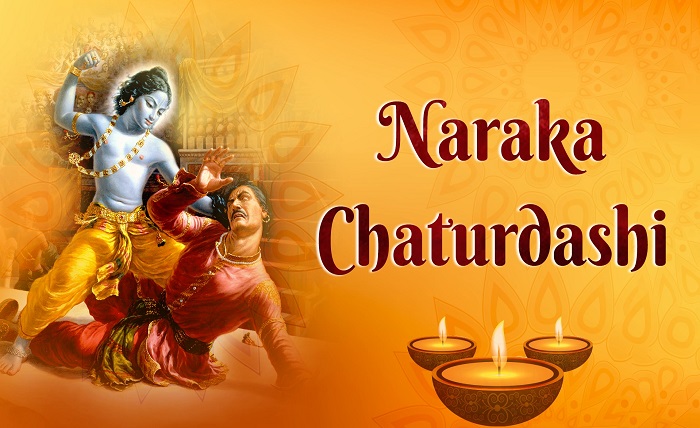
Another major festival related to chaturdashi kab hai is Naraka Chaturdashi, celebrated before Diwali. It symbolizes the victory of good over evil and commemorates Lord Krishna’s victory over the demon Narakasura.
Many people believe that observing rituals on chaturdashi kab hai helps remove negative energies and brings peace, prosperity, and spiritual growth.
The religious value of chaturdashi kab hai also includes ancestor worship, charity, and self-discipline through fasting practices.
Different Types of Chaturdashi Kab Hai
When discussing chaturdashi kab hai, it is important to understand that there are several forms of Chaturdashi celebrated throughout the year.
Masik Shivratri
Masik Shivratri is one of the most spiritually significant forms of chaturdashi kab hai. It occurs every month and is dedicated to Lord Shiva.
Naraka Chaturdashi
Naraka Chaturdashi is another famous festival connected with chaturdashi kab hai and is celebrated during the Diwali festival period.
Anant Chaturdashi
Anant Chaturdashi marks the conclusion of Ganesh Chaturthi celebrations and is an important event linked with chaturdashi kab hai.
Magha Krishna Chaturdashi
This special Chaturdashi is associated with Maha Shivratri, one of the biggest Hindu festivals dedicated to Lord Shiva.
Each version of chaturdashi kab hai has unique rituals, spiritual importance, and cultural traditions followed by millions of devotees.
Rituals and Fasting During Chaturdashi Kab Hai
The rituals associated with chaturdashi kab hai vary according to regional traditions and specific festivals. However, fasting and worship remain central practices.
Many devotees observing chaturdashi kab hai wake up early in the morning, take a holy bath, and clean their homes and temples before beginning prayers.
Fasting during chaturdashi kab hai may involve:
- Nirjala fast (without water)
- Fruit-based fasting
- Satvik food fasting
- Milk and fruit consumption
During chaturdashi kab hai, devotees often chant Shiva mantras like:
- Om Namah Shivaya
- Maha Mrityunjaya Mantra
Temple visits are common during chaturdashi kab hai, especially Shiva temples where special aarti and bhajan programs are organized.
Many people donate food, clothes, and money during chaturdashi kab hai as acts of charity and spiritual purification.
Astrological Significance of Chaturdashi Kab Hai
Astrology also plays an important role in understanding chaturdashi kab hai because lunar tithis influence spiritual energy according to Hindu beliefs.
Astrologers explain that chaturdashi kab hai is favorable for meditation, prayer, and removing obstacles in life. The lunar energy during Chaturdashi is considered powerful for spiritual transformation.
People often consult Panchang calendars to know chaturdashi kab hai because exact timings can vary by region and timezone.
According to Vedic astrology, observing fasts on chaturdashi kab hai can help reduce planetary doshas and improve mental peace.
The connection between moon phases and spiritual practices makes chaturdashi kab hai highly significant in Hindu astrology and religious life.
How to Check Accurate Chaturdashi Kab Hai Dates
Since lunar calendars differ from solar calendars, many people regularly search for chaturdashi kab hai online or through Panchang apps.
The best ways to check chaturdashi kab hai include:
- Hindu Panchang calendars
- Temple announcements
- Astrology websites
- Religious mobile apps
- Local newspaper calendars
Accurate timing is important while checking chaturdashi kab hai because tithi start and end times can affect fasting and puja rituals.
Different regions may also follow slightly different calculations for chaturdashi kab hai, especially between North Indian and South Indian traditions.
Devotees are advised to verify local timings for chaturdashi kab hai before performing major rituals or fasts.
Cultural Celebrations Related to Chaturdashi Kab Hai
The cultural importance of chaturdashi kab hai extends beyond temples and rituals. Families gather together, prepare traditional foods, and participate in community celebrations.
During Naraka Chaturdashi associated with chaturdashi kab hai, people light oil lamps, decorate homes, and celebrate with fireworks before Diwali.
In many regions, chaturdashi kab hai is celebrated through devotional music, temple fairs, and spiritual gatherings.
The connection between festivals and chaturdashi kab hai reflects the deep cultural roots of Hindu traditions and community bonding.
Children also learn religious stories and mythological significance connected with chaturdashi kab hai, helping preserve traditions across generations.
Spiritual Benefits of Observing Chaturdashi Kab Hai
Devotees believe that observing chaturdashi kab hai with sincerity brings spiritual purification and divine blessings.
Meditation and prayer during chaturdashi kab hai are believed to improve mental peace, concentration, and emotional balance.
Many spiritual teachers explain that chaturdashi kab hai is an ideal day for self-reflection, discipline, and connecting with higher consciousness.
Fasting practices during chaturdashi kab hai are also considered beneficial for physical cleansing and self-control.
People seeking spiritual growth often observe chaturdashi kab hai regularly as part of their devotional lifestyle.
Conclusion
In conclusion, chaturdashi kab hai is much more than a simple calendar question. It represents an important spiritual occasion in Hindu tradition associated with worship, fasting, prayer, and self-discipline.
From Masik Shivratri to Naraka Chaturdashi and Anant Chaturdashi, every observance connected with chaturdashi kab hai carries deep religious and cultural meaning.
Understanding the significance of chaturdashi kab hai helps devotees perform rituals correctly and strengthen their spiritual connection with divine energies.
As Hindu traditions continue across generations, the search for chaturdashi kab hai remains important for millions of people seeking spiritual guidance and religious observance.
FAQs
1. What does chaturdashi kab hai mean?
chaturdashi kab hai means asking about the date and timing of the Chaturdashi tithi in the Hindu lunar calendar.
2. How many times does chaturdashi kab hai occur in a month?
chaturdashi kab hai occurs twice every lunar month, once during Krishna Paksha and once during Shukla Paksha.
3. Why is chaturdashi kab hai important in Hinduism?
The significance of chaturdashi kab hai comes from its connection with fasting, Lord Shiva worship, and major festivals like Naraka Chaturdashi and Maha Shivratri.
4. How can I check accurate chaturdashi kab hai dates?
You can check chaturdashi kab hai through Panchang calendars, astrology apps, temple announcements, and religious websites.
5. Which god is worshipped during chaturdashi kab hai?
Lord Shiva is mainly worshipped during chaturdashi kab hai, especially on Masik Shivratri and Maha Shivratri observances.