Introduction
The term lunchnewsletter has become increasingly popular among businesses, creators, bloggers, and marketers who want to connect with audiences during the midday break. A lunchnewsletter is an email newsletter sent around lunchtime, usually containing quick, engaging, and valuable content that readers can enjoy while eating lunch or taking a short break from work. The idea behind a lunchnewsletter is simple: people are more relaxed during lunch hours and more likely to read entertaining or informative emails.
A well-designed lunchnewsletter can improve customer engagement, increase website traffic, boost conversions, and create stronger relationships with subscribers. Unlike traditional promotional emails, a lunchnewsletter often focuses on delivering value first. Businesses use a lunchnewsletter to share industry insights, trending stories, company updates, productivity tips, or entertaining content that fits perfectly into a reader’s lunch break.
As email marketing continues to evolve, the lunchnewsletter strategy is becoming one of the most effective ways to maintain consistent communication with audiences without overwhelming them. Whether you run a startup, blog, online store, or media company, implementing a lunchnewsletter can transform your email marketing efforts.
Why Lunchnewsletter Is Important for Modern Marketing
A lunchnewsletter plays a crucial role in modern digital marketing because it reaches readers at a convenient time. Most people check emails multiple times a day, but lunchtime offers a unique opportunity when readers are mentally available to consume content. This timing makes a lunchnewsletter more effective than emails sent during busy work hours.
Businesses benefit from a lunchnewsletter because it increases open rates and click-through rates. When readers associate your lunchnewsletter with enjoyable, helpful, or entertaining content, they become more likely to open future emails. Over time, this consistency builds trust and brand loyalty.
Another important advantage of a lunchnewsletter is audience retention. Social media algorithms constantly change, making it difficult to reach followers consistently. However, a lunchnewsletter gives businesses direct access to subscribers’ inboxes. This direct connection allows brands to communicate without relying entirely on social platforms.
A lunchnewsletter also supports content repurposing. Companies can turn blog posts, videos, podcasts, and news updates into digestible lunchtime content. Instead of creating entirely new material every day, marketers can strategically adapt existing resources into an engaging lunchnewsletter format.
Furthermore, a lunchnewsletter encourages stronger personalization. Email platforms allow marketers to customize content based on subscriber interests, behavior, and demographics. Personalized lunchnewsletter campaigns often achieve higher engagement because readers receive content that feels relevant to them.
How to Create an Effective Lunchnewsletter
Creating a successful lunchnewsletter requires planning, creativity, and consistency. The first step is identifying your target audience. Understanding what your subscribers enjoy reading during lunch breaks helps you develop relevant and engaging content. Some audiences prefer business insights, while others may enjoy entertainment, lifestyle tips, or quick industry updates.
The subject line is one of the most important elements of a lunchnewsletter. A compelling subject line encourages readers to open the email immediately. Effective lunchnewsletter subject lines are short, intriguing, and benefit-driven. Examples include:
- “Your Midday Marketing Boost”
- “Today’s Best Tech Stories”
- “Lunchnewsletter Picks You’ll Love”
- “Quick Business Tips for Your Break”
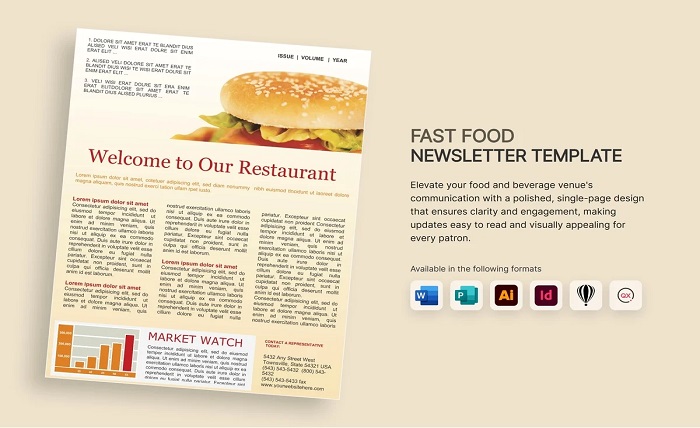
Another key factor in building a lunchnewsletter is design. Readers should be able to scan content quickly during their break. Use clean layouts, short paragraphs, bullet points, and engaging visuals to improve readability. Mobile optimization is especially important because many subscribers read a lunchnewsletter on smartphones.
Consistency is essential for lunchnewsletter success. Sending emails at the same time every day or week trains readers to expect your content. A predictable schedule increases familiarity and improves engagement over time.
Content variety also strengthens a lunchnewsletter. Instead of sending repetitive information, include different content sections such as:
- Industry news
- Productivity tips
- Short interviews
- Trending articles
- Polls or surveys
- Fun facts
- Customer stories
An engaging call-to-action should appear in every lunchnewsletter. Encourage readers to visit your website, reply to the email, share the newsletter, or explore featured products. Strong calls-to-action help convert engagement into measurable business results.
Best Content Ideas for a Lunchnewsletter
Choosing the right content can determine whether a lunchnewsletter becomes successful or ignored. Readers typically want content that is informative yet easy to consume during a short break. This means a lunchnewsletter should focus on concise and engaging topics.
One popular lunchnewsletter content strategy is curating industry news. Instead of overwhelming readers with lengthy articles, summarize important developments in a simple format. Busy professionals appreciate a lunchnewsletter that helps them stay informed quickly.
Educational tips also work extremely well in a lunchnewsletter. Businesses can share practical advice, tutorials, or quick guides related to their niche. For example, a marketing company might provide social media tips, while a health brand could share nutrition advice.
Storytelling is another powerful lunchnewsletter strategy. Sharing personal experiences, customer success stories, or behind-the-scenes insights creates emotional connections with readers. People remember stories more than facts alone, making storytelling highly effective in a lunchnewsletter.
Interactive content improves lunchnewsletter engagement significantly. Polls, quizzes, surveys, and feedback requests encourage readers to participate instead of passively reading. Interactive lunchnewsletter campaigns often increase click rates and subscriber loyalty.
Many successful brands use humor in a lunchnewsletter to create positive associations. Funny memes, jokes, or lighthearted commentary can make subscribers look forward to each issue. However, humor should align with your audience and brand voice.
A lunchnewsletter can also feature curated resources such as:
- Recommended podcasts
- Useful apps
- Productivity tools
- Book suggestions
- Video content
- Online courses
Including diverse content keeps a lunchnewsletter fresh and prevents subscriber fatigue.
Benefits of Using a Lunchnewsletter for Businesses
A lunchnewsletter offers numerous advantages for businesses of all sizes. One major benefit is improved customer relationships. Since a lunchnewsletter focuses on value-driven communication, subscribers begin to trust the sender over time. This trust can lead to increased sales and stronger customer loyalty.
Another important benefit of a lunchnewsletter is brand awareness. Frequent exposure helps audiences remember your company and associate it with useful information. Even if subscribers do not make immediate purchases, consistent lunchnewsletter communication keeps your brand top of mind.
A lunchnewsletter is also cost-effective compared to many other marketing channels. Email marketing generally delivers high returns on investment because businesses can reach thousands of subscribers with relatively low expenses. Automated lunchnewsletter systems further reduce workload while maintaining consistent communication.
Businesses can use a lunchnewsletter to drive website traffic. By linking to blog posts, videos, product pages, or announcements, companies encourage readers to explore additional content. Increased traffic can improve search engine visibility and generate more conversions.
Lead nurturing is another major advantage of a lunchnewsletter. Potential customers often require multiple interactions before making purchasing decisions. A lunchnewsletter keeps prospects engaged throughout the buying journey by providing ongoing value and education.
Analytics make lunchnewsletter campaigns highly measurable. Businesses can track:
- Open rates
- Click-through rates
- Subscriber growth
- Bounce rates
- Conversion rates
These insights help marketers optimize their lunchnewsletter strategy for better performance over time.
Additionally, a lunchnewsletter strengthens community building. Readers who consistently engage with your content often feel connected to your brand. Encouraging replies, discussions, and social sharing can transform subscribers into active brand advocates.
Common Mistakes to Avoid in a Lunchnewsletter
While a lunchnewsletter can be highly effective, several mistakes can reduce its success. One common issue is sending overly long emails. Readers typically skim content during lunch breaks, so a lunchnewsletter should remain concise and easy to digest.
Another mistake is focusing too heavily on sales promotions. Subscribers generally prefer valuable content over constant advertising. If a lunchnewsletter feels overly promotional, readers may unsubscribe quickly. Maintaining a balance between informative and promotional content is essential.
Inconsistent scheduling can also harm a lunchnewsletter. Sending emails randomly makes it difficult for subscribers to develop reading habits. Consistency helps build anticipation and trust.
Poor subject lines reduce lunchnewsletter open rates significantly. Generic or misleading subject lines may cause readers to ignore emails or mark them as spam. Always ensure your lunchnewsletter subject line accurately reflects the content inside.
Ignoring mobile optimization is another serious problem. Since many users read a lunchnewsletter on mobile devices, emails must display properly across different screen sizes. Broken layouts or tiny fonts can discourage readers from engaging.
Some businesses fail to segment audiences properly in their lunchnewsletter campaigns. Sending identical content to all subscribers may reduce relevance. Audience segmentation allows marketers to personalize content for better engagement.
Overloading a lunchnewsletter with too many links or images can also confuse readers. Simplicity often performs better because subscribers can focus on the main message without distractions.
Finally, neglecting analytics prevents improvement. Successful lunchnewsletter campaigns rely on data analysis to understand what readers enjoy most. Monitoring performance metrics helps marketers refine content and timing strategies.
Tools and Platforms for Building a Lunchnewsletter
Several tools can help businesses create and manage a professional lunchnewsletter efficiently. Popular email marketing platforms provide automation, design templates, analytics, and subscriber management features.
One widely used platform for lunchnewsletter campaigns is Mailchimp. It offers beginner-friendly templates, automation tools, and detailed analytics that help businesses optimize email performance.
Another powerful option for lunchnewsletter creation is ConvertKit. This platform is especially popular among bloggers, creators, and independent businesses because of its simplicity and advanced automation capabilities.
Businesses seeking advanced personalization often choose HubSpot for their lunchnewsletter strategy. HubSpot integrates customer relationship management tools with email marketing, allowing highly targeted campaigns.
For visually appealing lunchnewsletter designs, Canva provides customizable graphics and templates that improve email presentation. Attractive visuals can increase reader engagement significantly.
Automation tools are extremely valuable for lunchnewsletter management. Automated scheduling ensures emails are sent consistently at optimal lunchtime hours. Automation also allows businesses to create welcome sequences, drip campaigns, and personalized subscriber journeys.
Analytics platforms help measure lunchnewsletter success by tracking audience behavior. Understanding which content generates the highest engagement helps businesses improve future newsletters.
Choosing the right lunchnewsletter platform depends on:
- Budget
- Audience size
- Automation needs
- Design preferences
- Integration requirements
- Technical experience
Testing different tools can help businesses identify the best solution for their lunchnewsletter strategy.
Future Trends of Lunchnewsletter Marketing
The future of lunchnewsletter marketing looks extremely promising as email continues to outperform many digital channels in engagement and return on investment. Businesses are increasingly recognizing that subscribers value curated and meaningful content delivered directly to their inboxes.
Artificial intelligence is expected to play a major role in lunchnewsletter optimization. AI-powered tools can analyze subscriber behavior, personalize content, and determine the best sending times automatically. This technology helps businesses create highly targeted lunchnewsletter experiences.
Interactive content will become more common in future lunchnewsletter campaigns. Features like embedded polls, quizzes, videos, and dynamic content can make emails more engaging and memorable.
Personalization will continue evolving as businesses collect more audience insights. Future lunchnewsletter campaigns may deliver individualized content recommendations based on user preferences, reading history, and browsing behavior.
Minimalist design trends are also shaping the future of lunchnewsletter formatting. Clean layouts with concise messaging are likely to dominate because readers increasingly prefer fast and distraction-free experiences.
Voice technology may eventually influence lunchnewsletter consumption as more users rely on voice assistants to read emails aloud. Businesses may need to adapt content for audio-friendly formats.
Privacy regulations are another important factor affecting lunchnewsletter marketing. Companies must prioritize transparency, consent, and data protection to maintain subscriber trust.
Community-driven lunchnewsletter strategies are gaining popularity as well. Businesses are encouraging reader participation through feedback, discussions, and user-generated content. This approach strengthens engagement and builds loyal subscriber communities.
As competition for attention increases, high-quality lunchnewsletter content will become even more important. Brands that consistently deliver valuable, entertaining, and relevant content will stand out in crowded inboxes.
Conclusion
A lunchnewsletter is far more than a simple email campaign. It is a strategic communication tool that helps businesses connect with audiences during one of the most relaxed parts of the day. By providing informative, engaging, and easy-to-read content, a lunchnewsletter can increase open rates, improve customer relationships, and strengthen brand loyalty.
Successful lunchnewsletter campaigns rely on audience understanding, strong subject lines, consistent scheduling, valuable content, and mobile-friendly design. Businesses that avoid common mistakes and focus on delivering genuine value can build highly engaged subscriber communities.
As technology continues evolving, the lunchnewsletter will remain an important part of digital marketing strategies. Personalization, automation, and interactive content will shape the future of email engagement. Whether you are a blogger, entrepreneur, marketer, or business owner, investing in a lunchnewsletter can help you grow your audience and maintain long-term customer connections.
FAQs
1. What is a lunchnewsletter?
A lunchnewsletter is an email newsletter typically sent during lunchtime that provides readers with quick, engaging, and valuable content they can consume during their break.
2. Why is a lunchnewsletter effective?
A lunchnewsletter is effective because people are usually more relaxed during lunch hours and more willing to read emails, resulting in higher engagement rates.
3. How often should I send a lunchnewsletter?
The ideal lunchnewsletter frequency depends on your audience, but many businesses choose daily or weekly schedules to maintain consistency without overwhelming subscribers.
4. What content works best in a lunchnewsletter?
Popular lunchnewsletter content includes industry news, productivity tips, curated resources, short stories, entertainment, and interactive elements like polls or quizzes.
5. Which tools are best for creating a lunchnewsletter?
Popular tools for building a lunchnewsletter include Mailchimp, ConvertKit, and HubSpot because they offer automation, analytics, and customizable templates.